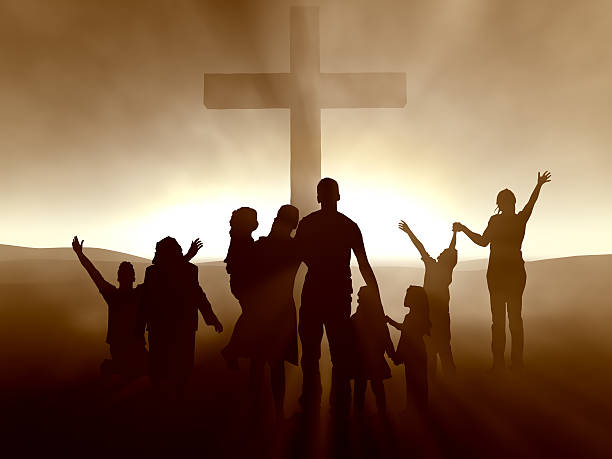
Living a Christian life in a small town means adopting a Christ-centered lifestyle, where simplicity, prayer, and study become fundamental pillars. Here are some practical ideas for achieving this:
1. Living in Community with God
Constant Prayer: Establish a schedule for both communal and personal prayer. The Liturgy of the Hours, the Rosary, or Eucharistic adoration can be key practices.
Sacraments: Participate frequently in the Eucharist and Confession as the foundation of spiritual life.
Sacred Spaces: Create a prayer corner at home with religious images, a Bible, and a space for meditation.
2. Simplifying Life
Letting Go of the Non-Essential: Practice material detachment. Identify what is unnecessary and live with only the essentials.
Austere Living: Adopt a simple lifestyle, where work and resources are used for basic sustenance and helping others.
Local Self-Sufficiency: Growing a garden or raising animals can contribute to a self-sufficient life.
3. Spiritual Formation and Study
Bible Study: Dedicate time to deep study of the Word of God, individually or as a family, using commentaries or theological guides.
Spiritual Reading: Read books on theology, the lives of saints, and Christian spirituality. Writers like Henri de Lubac, Teresa of Ávila, or John of the Cross can be inspirational.
Values-Based Education: If there are children, incorporate Christian values into their academic and daily formation.
4. Serving the Community
Hospitality: Open your home to help those in need, whether they are neighbors, migrants, or lonely individuals.
Works of Charity: Actively participate in local initiatives to assist the most vulnerable, whether through time, resources, or spiritual guidance.
Evangelization: Share your faith simply and authentically, leading by example.
5. Living as a United Family
Communal Discernment: Make decisions together as a family, always seeking God’s will.
Shared Routines: Working, praying, and learning together strengthens family bonds.
Liturgical Celebrations: Celebrate religious feasts at home with traditions, prayers, and symbols.
Practical Example:
A family could divide their day into blocks: dedicating mornings to prayer and Mass, engaging in productive activities at home or in the field during the day, and reserving the evening for study, family prayer, and rest. Maintaining a rhythm based on the seasons and the liturgical life of the Church helps to fully live each moment in connection with God.









Hi
Me gustaMe gusta
Hi, Hellen, thank you.
Me gustaMe gusta